
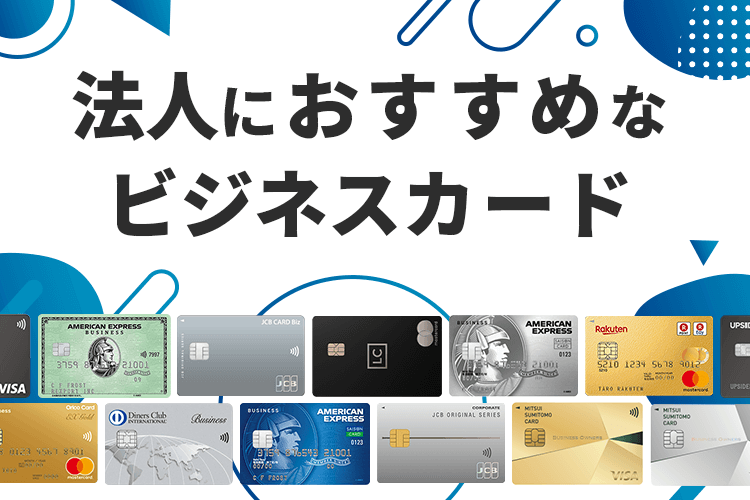
法人カードは会社の立ち上げ時や、日々の経費管理といったビジネスシーンで持っていると、役に立ちます。
法人向けカードには様々な種類があり、どれを選べばいいのか迷っている経営者も多いでしょう。
この記事では人気のおすすめ法人カード・ビジネスカードを、どのような人に向いているかといった基準で比較。
気になる個人用の通常カードとの違いや、メリットについても解説しますので、自分のビジネスに合った最強な法人カードを探す参考にしてみてください。
おすすめの法人カード・ビジネスカードは以下になります。
- JCB法人カード
- 三井住友カード ビジネスオーナーズ
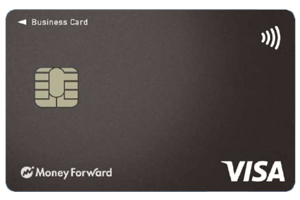
- マネーフォワード法人カード
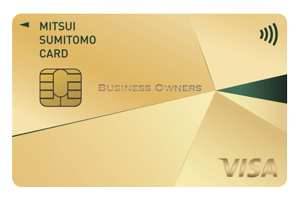
- 三井住友カード ビジネスオーナーズ ゴールド
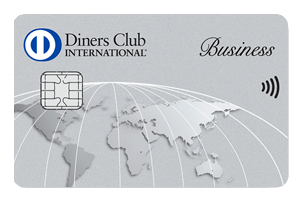
- ダイナーズクラブ ビジネスカード
- NTTファイナンスBizカード レギュラー
- JCB法人ゴールドカード
- セゾンプラチナ・ビジネス・アメリカン・エキスプレスカード
- UPSIDERカード
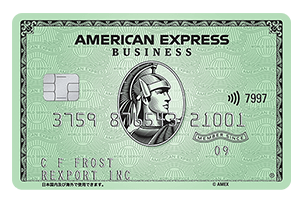
- アメリカン・エキスプレス・ビジネス・ゴールド・カード
- アメリカン・エキスプレス・ビジネス・カード
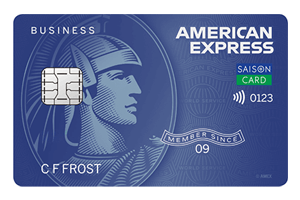
- セゾンコバルト・ビジネス・アメリカン・エキスプレス・カード
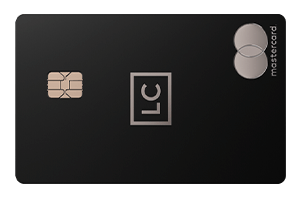
- ラグジュアリーカード 法人ブラックカード
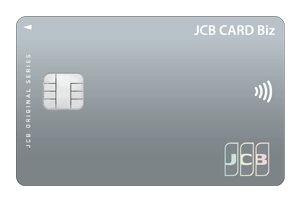
- JCBカードBiz
- オリコ EX Gold for Biz
- 楽天ビジネスカード
法人カードおすすめ最強ランキング16選!中小企業から人気のビジネスカードを比較
ここからはビジネスで活躍する、中小企業から個人事業主までおすすめの法人カードランキングを紹介していきます。
法人カードにはポイントを貯めやすいクレジットカードから、ステータス性重視の最強ビジネスカードまで、様々な種類があります。
どれを重視したいかを明確にして法人カードを比較すると、より自分のビジネスにあったカードを選べます。
- 年会費無料もしくは安い法人カードを発行したい
- ゴールドカードなどステータスがあるカードを発行したい
- 付帯サービスが充実しているビジネスカードを発行したい
迷った人は比較表も参考にしながら、自分のビジネスにぴったりの法人カードを選んでいきましょう。
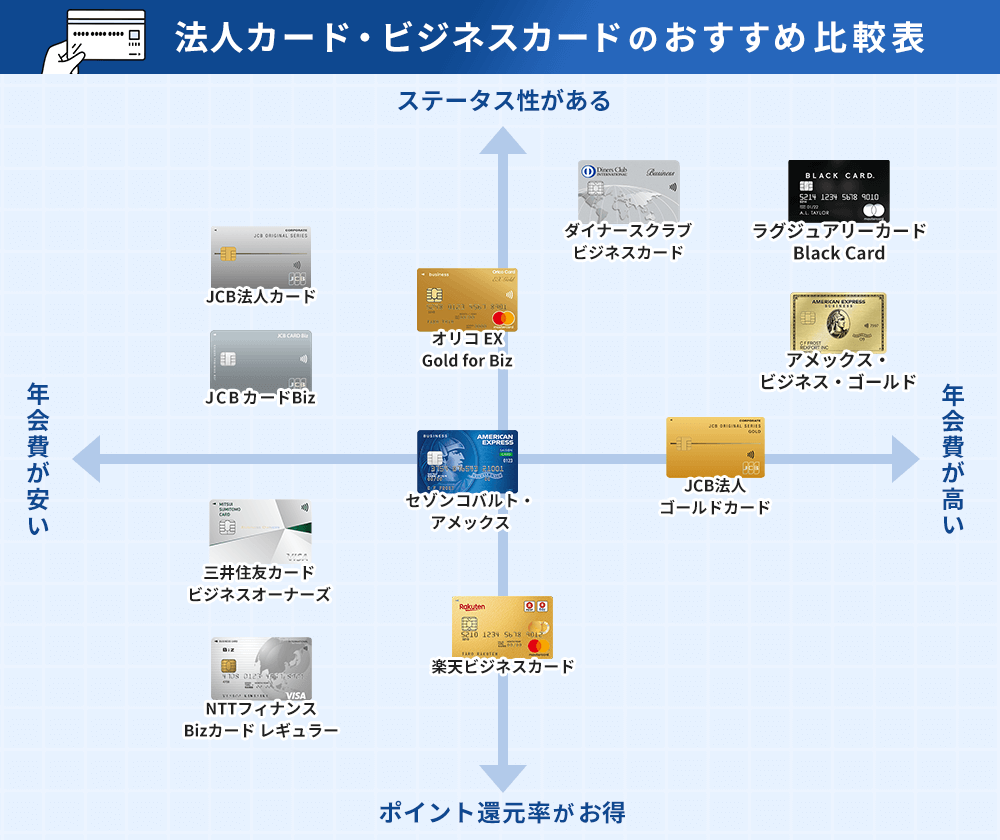
数ある法人カード・ビジネスカードの中から、年会費や優待を比較した結果、特におすすめできるクレジットカードがこちらです。
| カード名 | 公式サイト | 年会費(税込) | ポイント還元率 | 国際ブランド | ETCカード | キャンペーン |
|---|---|---|---|---|---|---|
 JCB一般法人カード |
初年度年会費無料※2 通常:1,375円 |
0.5%〜 | 
|
○ 年会費:無料 複数枚発行可能 |
新規入会&利用で最大20,000円分のJCBギフトカードプレゼント! | |
 三井住友カード ビジネスオーナーズ |
永年無料 | 0.5%〜 |  
|
○ 年会費:550円(税込)※1 |
新規入会&利用で最大8,000円相当のVポイントプレゼント! ※新規入会者の3-5ヶ月目の利用金額30万円以上 |
|
 マネーフォワード法人カード マネーフォワード法人カード |
初年度年会費無料※ 通常:1,100円 ウォレット開設した場合のみ |
1.0〜3.0% | |
ー | 新規契約&決済で最大5,000円分のポイント還元! | |
 三井住友カード ビジネスオーナーズ ゴールド |
5,500円(税込) | 0.5%〜 |
|
○ 年会費:550円(税込)※1 |
新規入会&利用で最大10,000円相当のVポイントプレゼント! ※新規入会者の3-5ヶ月目の利用金額50万円以上 |
|
 ダイナースクラブ ビジネスカード |
27,500円 | 0.4% | 
|
○ 年会費:無料 複数枚発行可能 |
ー | |
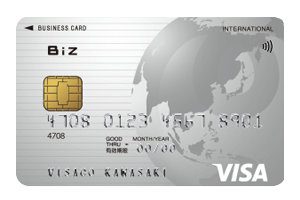 NTTファイナンスBizカード レギュラー |
永年無料 | 1.0% |
|
○ 550円(税込) |
ー | |
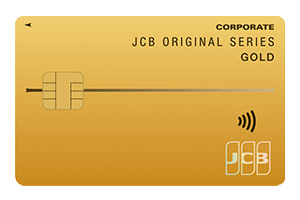 JCBゴールド法人カード |
初年度年会費無料※2 通常:11,000円 |
0.5%〜 |
|
○ 年会費:無料 複数枚発行可能 |
新規入会&利用で最大35,000円分のJCBギフトカードプレゼント! | |
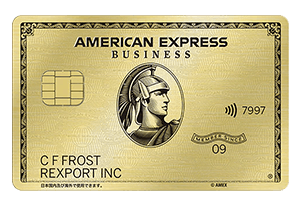 アメックス・ビジネス・ゴールド |
36,300円 | 0.5%〜 | 
|
○ 年会費:550円 複数枚発行可能 |
インターネットからの入会で合計70,000ポイント獲得可能 | |
 アメックス・ビジネス |
13,200円 | 0.5%〜 |
|
○ 年会費:550円 複数枚発行可能 |
初月1ヶ月分会費無料&合計25,000ボーナスポイント獲得可能 | |
 セゾンコバルト・ビジネス・アメックス |
1,100円 | 0.5%〜 |
|
○ 年会費:無料 複数枚発行可能 |
新規入会&利用で最大8,000円相当をプレゼント! | |
 JCBカードBiz |
初年度年会費無料 1,375円 |
0.5%〜 |
|
○ 年会費:無料 (発行可能枚数1枚) |
新規入会&利用で最大20,000円分のJCBギフトカードプレゼント! | |
 ラグジュアリーカードMastercard Black Card |
110,000円 | 1.25% |
|
○ 年会費:無料 複数枚発行可能 |
入会&利用で最大60,000ポイントプレゼント! | |
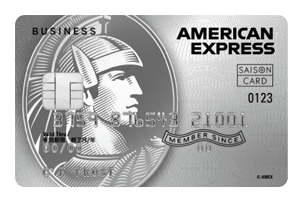 セゾンプラチナ・ビジネス・アメックス |
22,000円 | 0.5%~1.125% |
|
○ 年会費:無料 複数枚発行可能 |
新規入会で初年度年会費無料&最大3,000円キャッシュバック! | |
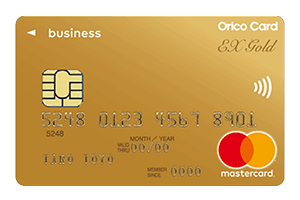 オリコ EX Gold for Biz |
ー | 2,200円 初年度無料 2枚目以降無料 |
0.5% |
|
○ 年会費:無料 複数枚発行可能 |
新規入会&条件達成で7,000オリコポイントをプレゼント! |
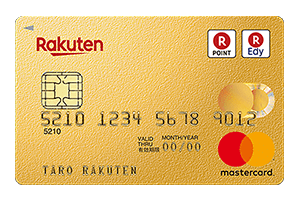 楽天ビジネスカード |
ー | 2,200円 | 1.0% |
|
○ 年会費:無料 複数枚発行可能 (2枚目~は550円(税込)) |
楽天プレミアムカードとの新規入会でもれなく新規入会特典で2,000ポイント! |
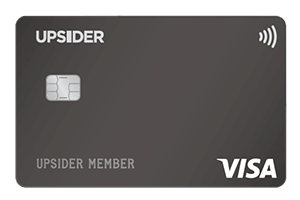 UPSIDERカード |
ー | 無料 | 1.0%〜 |
|
ー | ー |
※1 初年度無料、前年度に一度でもETC利用の請求があった人は年会費が無料
※2 オンライン入会の場合のみ
※3 オンライン入会の場合のみ(初年度会費無料)
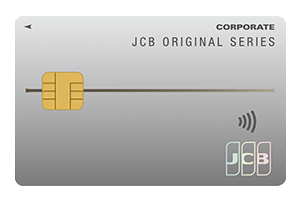
JCB法人カードは中小企業向け!会計ソフト割引などのサービスが便利で使いやすい
向いている人は?
- 年会費無料で発行できる法人カードを探している
- 法人カードならではのメリットがあるカードを選びたい
- ETCカードを複数発行して社員に渡す必要がある
| 公式サイト | https://www.jcb.co.jp/corporate/ |
| 年会費 | 初年度年会費無料※ 通常:1,375円(税込) ※オンライン入会の場合のみ |
| 申し込み条件 | 法人または個人事業主 18歳以上 |
| ポイント還元率 | 0.5% |
※ ポイントの交換先によって、還元率が異なります。
| 国際ブランド | |
| 電子マネー |       |
| スマホ決済 |   |
- 『弥生会計 オンライン』の一部プランを初年度無料で利用できる
- 会計ソフト『freee』を初年度15%オフで利用できる
- Amazonでの買い物でポイント3倍にアップ!
年会費は初年度無料!翌年以降も1,375円でお得に使える
JCB法人カードは数ある法人カードの中でも、年会費が安いのがメリット。
Webで申し込みを行うと初年度の年会費は無料で、翌年以降も1,375円(税込)と安い年会費で使えます。
追加カードの年会費も同じ金額のため、例えば従業員8名でJCB法人カードを使う場合、年会費は1万円以下に。
経費を抑えて、複数人でカードを使いたい中小企業や、ETCカードを複数発行したい営業チームに向いています。
会計ソフトの弥生会計やfreeeとの連携機能が便利
JCB法人カードでは、こちらの会計ソフトの『MyJCB外部接続サービス』に対応しています。
- 弥生会計
- 会計freee
- ソリマチ
JCB法人カードで利用した決済データが、自動で会計ソフトへ取り込みされます。
まだ会社を立ち上げ手間もない経営者の場合、自分だけ経費などの計算ができる会計ソフトは役立つツール。
JCB法人カードがあれば、会計ソフトをより便利に使いこなせます。
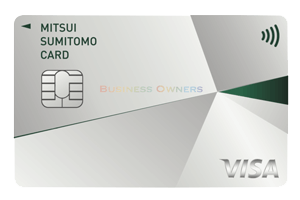
三井住友カード ビジネスオーナーズは永年無料!負担なしで発行できる法人カード
向いている人は?
- 年会費を払わずに手軽に法人カードを発行したい
- 法人口座を持っていないけど事業用カードが欲しい
- 法人カードでもポイントを貯めたい
| 公式サイト | https://www.smbc-card.com/hojin/ |
| 年会費 | 永年無料 |
| 申し込み条件 | 満18歳以上の会社経営者の人 (中小企業代表者もしくは個人事業主) |
| ポイント還元率 | 0.5% |
※ ポイントの交換先によって、還元率が異なります。
| 国際ブランド | |
| 電子マネー |  |
| スマホ決済 | Google Pay Apple Pay |
- 年会費が永年無料!負担なしで事業を始めたばかりの人も安心
- 通常カードとの2枚持ちでプライベートでもお得になる
- ナンバーレスのデザインでセキュリティ性もバッチリ
年会費は永年無料!個人事業主でも発行できるスタンダードな法人カード
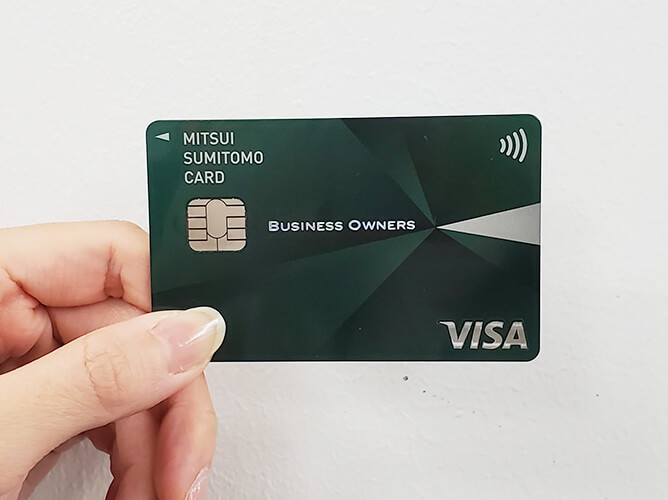
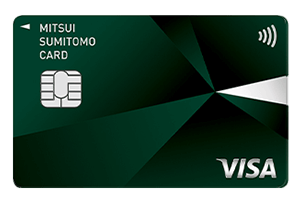
三井住友カード ビジネスオーナーズは、中小企業の代表者や個人事業主向けの法人カード。
他社の法人カードでは年会費が発生するカードが多くありますが、三井住友カード ビジネスオーナーズは年会費が永年無料。
従業員向けの追加カードでも年会費は無料のため、事業に必要なコストを圧迫しません。
通常カードと同様に200円(税込)の決済につき、1ポイントの「Vポイント」が還元されます。
貯まったVポイントは、ギフトカードや他社のポイントに交換して使えます。
ナンバーレスのデザインで、セキュリティ面も安心。
カード番号はアプリですぐに確認できます。
通常の三井住友カード(NL)とビジネスカードの2枚持ちでいつでもお得!
三井住友カード ビジネスオーナーズの特徴は、個人用の三井住友カード(NL)との2枚持ちで特典があること。
三井住友カード ビジネスオーナーズと三井住友カード(NL)を両方持っていると、対象サービスの利用でポイント最大1.5%還元となります。※対象の個人カードとの2枚持ちが条件
「仕事に必要な備品をネット通販で揃える」「出張のため飛行機を利用する」といった様々な場面で、ポイント還元率の高いカードを利用すると効率よくポイントが貯まります。
法人用のビジネスカードと、個人用プライベードカードの2枚持ちでの特典があるのは、三井住友カードならではのメリットです。
| 公式サイト | https://www.smbc-card.com/ |
| ポイント還元率 | 0.5~7%※ |
| 年会費 | 永年無料 |
| 国際ブランド | |
| 電子マネー | |
| スマホ決済 | |
※最大7%内訳(通常ポイント0.5%+スマホのタッチ決済利用6.5%)
※商業施設内の店舗など、一部ポイント加算の対象とならない店舗があります。
※iD、カードの差し込み、磁気取引は対象外です。
※一定金額(原則1万円)を超えると、タッチ決済でなく、決済端末にカードを挿しお支払いただく場合がございます。
その場合のお支払い分は、タッチ決済分のポイント還元の対象となりませんので、ご了承ください。
上記、タッチ決済とならない金額の上限は、ご利用される店舗によって異なる場合がございます。
※ポイント還元率は利用金額に対する獲得ポイントを示したもので、ポイントの交換方法によっては、1ポイント1円相当にならない場合があります。
ビジネスに役立つ付帯サービスが充実で仕事に役立つ
三井住友カード ビジネスオーナーズにある『ビジネスサポートサービス』も、法人カードならではの嬉しいサービス。
事業に役立つ、こちらのサービスを利用できます。
| 項目 | 詳細 |
|---|---|
| アスクル | オフィス用品がすばやく届く。 |
| レンタカー | 日産レンタカー、タイムズカーでお得に車をレンタルできる。 |
| 引越しサービス | アート引越センター、サカイ引越センター、引越革命で引越料金が25〜30%割引される。 |
| GVA 法人登記サービス | 法人登記に必要な書類をオンラインで手早く作成して、法務局へ行く手間なく変更登記申請を行える。 |
日常の業務で使う機会の多いアスクルや、事務所移転の際に役立つ引越しサービスなどの、利用場面が多いサービスが揃っています。
他にも三井住友カードの法人会員限定で、福利厚生サービス『ベネフィット・ステーション』での優待があります。
『ベネフィット・ステーション』では、こちらのようなサービスを割引価格で提供しています。
| 項目 | 詳細 |
|---|---|
| 福利厚生支援 | 宿泊施設、スポーツクラブを会員特典で利用できる。 |
| 従業員の健康支援 | 英会話スクールをはじめとした研修サービスの優待 |
ビジネスを手厚くサポートしてくれる、三井住友カード ビジネスオーナーズ。
法人カードで迷っている人は、ぜひ候補の1つにしておきたい1枚です。
マネーフォワード法人カードは会計ソフトとの連携で経費処理の手間が省ける
向いている人は?
- 経理状況全体の管理を効率化したい
- 法人用クレカの与信審査が通らなかった
- 従業員用にも法人カードを発行したい経営者
| 公式サイト | https://biz.moneyforward.com/biz-pay/ |
| 年会費 | 初年度年会費無料※1 通常:1,100円(税込)※2 |
| 申し込み条件 | 法人または個人事業主 |
| ポイント還元率 | 1.0〜3.0% |
※1 ウォレット開設した場合のみ
※2 ウォレット開設して2年目以降、1年に1度の利用で無料
| 国際ブランド | |
| 電子マネー | – |
| スマホ決済 | – |
- プリペイドカードなのにポイント還元率が高い!
- クラウド会計ソフトと連携して経費処理を効率化が可能
- 全カードの利用状況をリアルタイムでチェックできる
プリペイドカードなのに通常ポイント還元率が1%と高い
マネーフォワード法人カードは、1年に1度でも利用実績があれば実質年会費無料※3に加え、
バーチャルカードの発行手数料は無料※4とリーズナブルで事業を始めたての人には嬉しい法人カードです。
プリペイドカードの中でも、他ではあまりみられない高いポイント還元率。
マネーフォワード関連サービスでの利用はさらに上がり3%になります。
マネーフォワード法人カードで支払いをした場合、通常還元率1%と月の利用金額に応じたボーナスポイントが付与※5されます。
| 月の合計利用金額(税込) | 付与されるボーナスポイント |
|---|---|
| 100,000円 | 500ポイント |
| 500,000円 | 2,500ポイント |
| 1,000,000円 | 5,000ポイント |
| 5,000,000円 | 25,000ポイント |
| 10,000,000円 | 50,000ポイント |
高還元率かつボーナスポイントの付与もあるので、お得に利用できます。
また、事業を始めたばかりの人は安定した収入がないと判断され、法人用クレジットカードの与信審査に落ちてしまう可能性も。
プリペイドカードなら審査不要で発行できるため、なかなか審査に通らない人に向いています。
※3 ウォレット開設した場合のみ
※4 リアルカードの発行手数料は900円+税
※5 ボーナスポイントの上限は50,000ポイント
クラウド会計ソフト・経費と連携して経理処理を効率化
会計ソフト「マネーフォワード クラウド」との連携により利用明細へリアルタイムで反映されるので、経理状況をいち早く把握できます。
マネーフォワード法人カードのメリットは、以下となります。
- 何に支払ったかすぐに確認できる
- アプリやwebの利用明細に領収書を添付できるため、レシートを保管しなくていい
- 月末の立替申請や翌月の追加修正などの対応をする必要がない
- 経費精算処理や備品などの請求書払いの対応が不要
- バーチャルカードを使い分け、部署ごとで利用明細を確認できる
これらのメリットから、経理処理の手間を減らすことができ、業務の効率を大幅に改善できます。
業務効率化を図りたい中小企業の経営者や、個人事業主の人におすすめな法人カードです。
三井住友カード ビジネスオーナーズ ゴールドは年会費を無料にして2枚持ちできる
向いている人は?
- 事業を立ち上げたばかりの経営者
- 国内空港ラウンジを利用したい
- 法人カードを年会費無料にして使い続けたい
| 公式サイト | https://www.smbc-card.com/hojin/ |
| 年会費 | 5,500円(税込) |
| 申し込み条件 | 満18歳以上の会社経営者の人 (中小企業代表者もしくは個人事業主) |
| ポイント還元率 | 0.5% |
※ ポイントの交換先によって、還元率が異なります。
| 国際ブランド | |
| 電子マネー | |
| スマホ決済 | Google Pay Apple Pay |
- 通常カードと2枚持ちでポイント還元の対象が増える
- 国内空港ラウンジの無料利用に対応
- 新幹線の切符をスピーディーに予約・チケットレスで利用できる
翌年の年会費を無料にできる!お得な法人ゴールドカード
三井住友カード ビジネスオーナーズ ゴールドは、年間利用額100万円を超えると、翌年以降の年会費が永年無料になります。※対象の取引や算定期間など実際の適用条件の詳細は、三井住友カードのWebサイトを必ずご確認ください。
年会費5,500円を1度支払いするだけで、法人ゴールドカードを利用できるのはお得です。
対象の三井住友カードと2枚持ちをすると最大1.5%ポイントが還元※1され、200円につき3ポイント貯まる計算です。
プライベート用のカードと同じ、Vポイントを合算で貯められるのもメリット。
普段の買い物と仕事の経費で貯まるポイントをまとめて、ポイントの使いみちを増やせます。
ポイントUPモール経由で買い物をすれば、+0.5~9.5%ポイント還元も可能。※2024年2月現在
※ポイント還元率は予告なく変更となる場合もあります。
事前エントリーでポイントやキャッシュバックを受け取れる「ココイコ!」サービスの利用もできます。
※1 対象の個人カードとの2枚持ちが条件
ゴールドカードならではの補償が手厚い
三井住友カード ビジネスオーナーズ ゴールドには、国内・海外問わず旅行傷害保険が最高2,000万円※付いてきます。
旅行中の予期せぬアクシデントにも安心。
国内の空港ラウンジであれば無料で利用できるため、海外出張や旅行の多い人におすすめです。
旅行傷害保険が必要ない場合は、以下の保険に切り替えられます。
| 保険名 | 詳細 |
|---|---|
| 日常生活安心プラン(個人賠償責任保険) | 日常生活で誰かにケガをさせたり、モノを壊した場合 |
| ケガ安心プラン(入院保険) | 交通事故によるケガで入院や手術をした場合 |
| 持ち物安心プラン(携行品損害保険) | 身の回りの持ち物が盗難、破損、火災などの被害にあった場合 |
またカードで購入した商品が破損、盗難にあった場合の補償も受けられます。
三井住友カード ビジネスオーナーズ ゴールドはナンバーレスデザインを採用しているので、会計時のスキミングを防止できます。
カード番号や利用明細はすべてアプリで一括管理。
セキュリティ性が高いカードでありながら、付帯保険も充実しているのが、三井住友カード ビジネスオーナーズ
ゴールドのメリットです。
※ 利用付帯
ダイナースクラブ ビジネスカードはレストランや料亭での優待が充実
向いている人は?
- 会食や接待向けにグルメの優待を受けたい経営者
- 社員にもカードを使わせる予定がある経営者
- ビジネス関係のサービスが充実した法人カードが欲しい
| 公式サイト | https://www.diners.co.jp/ja/cardlineup/business.html |
| 年会費 | 27,500円(税込) |
| 申し込み条件 | 法人または個人事業主 27歳以上 |
| ポイント還元率 | 0.4% |
※ ポイントの交換先によって、還元率が異なります。
| 国際ブランド | |
| 電子マネー | |
| スマホ決済 | |
- 会員限定の『ダイナースクラブ ビジネス・ラウンジ』を使える
- レストランやゴルフなど大人の社交で使える優待が多数
- ETCカードや追加カードを年会費無料で複数発行できる
他社カードにはないレストランや料亭での優待がメリット
ダイナーズクラブ ビジネスカードは、経営者から企業役員までの幅広いビジネスパーソンに、上質なサービスを提供する法人カードです。
他の法人カードとの違いは、レストランや料亭で使える優待が充実していること。
コース料理の1名無料や、料亭プランへの招待、銀座のバーや高級クラブで使える優待などで、大人のたしなみを満喫できます。
他にもゴルフの予約や割引、ラウンジ利用といった機能が揃っており、年会費以上に価値がある法人カードです。
NTTファイナンス Bizカードは年会費無料!追加発行無料なのに付帯保険も充実
向いている人は?
- 年会費無料で法人カードがほしい人
- 法人カードでもお得にポイントをもらいたい人
- クライアントとの接待でカードを使う機会が多い人
| 公式サイト | https://www.ntt-card.com/biz/ |
| 年会費 | 無料 |
| 申し込み条件 | 法人または個人事業主 満20歳以上 |
| ポイント還元率 | 1.0%〜 |
※ ポイントの交換先によって、還元率が異なります。
| 国際ブランド | |
| 電子マネー | |
| スマホ決済 | |
- レギュラーカードは年会費無料で発行できる
- 従業員用のカードも無料で発行できる
- ポイント還元は1.0%以上!個人カード並みにお得
開業したばかりでも発行しやすい!無料のビジネスカード
NTTファイナンス Bizカードは年会費永年無料の法人向けカードです。
従業員用の追加カードを発行する際にも、年会費は無料。
他社の法人カードは、追加カードは有料となっているケースが多く見られます。
ポイント付与も1.0%となっており、個人向けカード並みに高く設定されている点も特徴の1つ。
法人向けのビジネスカードでありながら、個人カードのような使いやすさがメリットです。
年会費永年無料なのに付帯保険も充実
NTTファイナンス Bizカードは、年会費無料ながら付帯保険も充実しています。
海外旅行傷害保険だけでなく、他社の法人カードでは付帯していない場合も多い、国内傷害保険も自動付帯。
さらにショッピング補償保険も最高100万円までとなっており、補償内容が手厚いビジネスカードとなっています。
JCB法人ゴールドカードは出張が多い人におすすめ!コスパよく豪華な優待が受けられる
向いている人は?
- 飛行機での出張が多い中小企業経営者
- 出張で新幹線で国内のホテルをよく使う人
- 従業員用にも法人カードを発行したい経営者
| 公式サイト | https://www.jcb.co.jp/ |
| 年会費 | 初年度年会費無料※ 通常:11,000円(税込) ※オンライン入会の場合のみ |
| 申し込み条件 | 法人または個人事業主 18歳以上 |
| ポイント還元率 | 0.5% |
※ ポイントの交換先によって、還元率が異なります。
| 国際ブランド | |
| 電子マネー | |
| スマホ決済 | |
- 国内やハワイ ホノルルの空港ラウンジを無料利用できる
- JCBゴールドならではのグルメ優待サービスで割引があるる
- ETCカードを年会費無料で複数枚発行できる
ワンランク上のサービスを受けられるゴールドカード
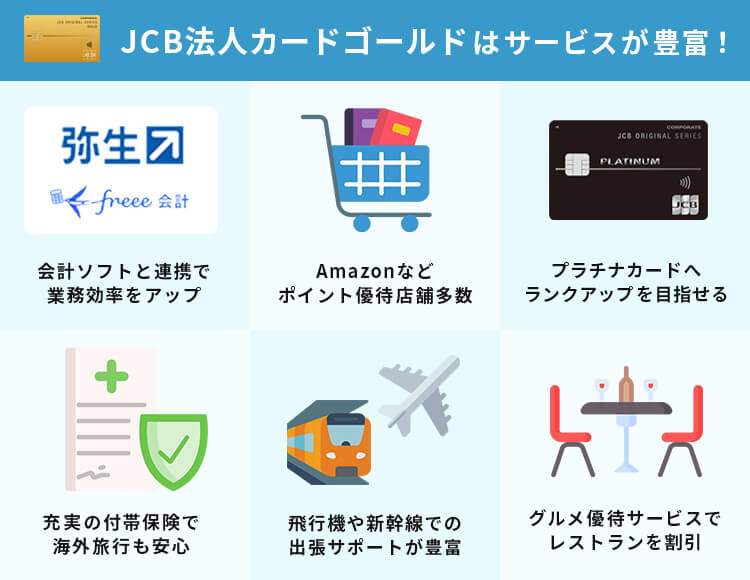
JCB法人ゴールドカードは、JCB法人カードの基本スペックに加えて、ワンランク上のサービスが利用できる法人カード。
年会費は11,000円(税込)になっており、以下の2つの特典が追加されています。
| 優待内容 | 詳細 |
|---|---|
| グルメ優待サービス | 対象店舗での利用で20%OFF |
| 空港ラウンジ利用 | 国内主要空港・ハワイホノルルの空港ラウンジを無料で利用可能 |
企業経営者の方で高級レストランなどを利用した接待をする機会の多い方や、出張が多く国内を飛行機で飛び回っているような人に向いています。
その他にも、旅行傷害保険やショッピング保険がより充実しています。
アメックス・ビジネス・ゴールド・カードはアピールできる高級感と上質なサービスが魅力
向いている人は?
- ステータス性のあるゴールドカードが欲しい経営者
- 出張で飛行機に乗る機会が多いビジネスマン
- 利用可能枠を気にせず法人カードを使いたい人
| 公式サイト | https://www.americanexpress.com/jp/credit-cards/gold-business-corp-card/ |
| 年会費 | 36,300円(税込) |
| 申し込み条件 | 法人または個人事業主 満20歳以上 |
| ポイント還元率 | 0.3% |
※ ポイントの交換先によって、還元率が異なります。
| 国際ブランド | |
| 電子マネー | |
| スマホ決済 | |
- 通常カードよりも高級感があるメタル製のデザイン
- ラウンジ利用や会員限定イベントへ参加ができる
- 接待や出張などで使える上質なサービスが付帯
高級感のある金属製のデザインが特徴のステータスカード
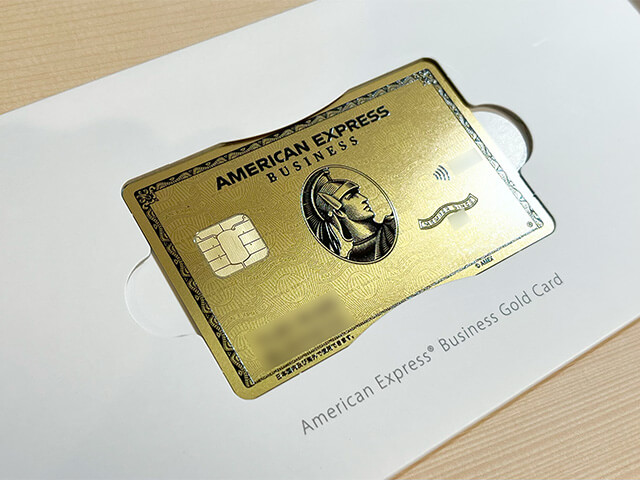
アメリカン・エキスプレス・ビジネス・ゴールド・カードは、通常のアメックス・ビジネスをアップグレードさせた法人カードです。
通常のアメックス・ビジネスとの違いとして、金属製のメタルカードでの発行となります。
金属製カードは普通のカードと比べて重みがあり、光沢感もあるためステータス性をアピールしたい場にぴったりです。
ゴールドカード限定のサービスとして、こちらの内容が用意されています。
- メタル製で高級感のあるカードで発行
- ビジネス・ダイニング・コレクションのコース料理2名まで無料
- オフィス用品のキャッシュバック(DELL Technologies)優待特典
- 出張当日に使える手荷物ホテル宅配サービス
- ビジネス・カード会員限定イベントへの参加
業務向けのサービスや出張などで役立つ機能、幅広いビジネス業界への人脈形成に役立つ上質なサービスが用意されています。
ゴールド会員限定!京都の観光ラウンジが用意されている
通常のアメックス・ビジネスカードにはない魅力として、京都にある高台寺塔頭 圓徳院の観光ラウンジを使える特典があります。
京都への旅行や出張の際に、一般の人が入れない高級感のあるラウンジでくつろげます。
ステータス性のあるアメックス・ゴールド・ビジネスカードならではのメリットです。
アメックス・ビジネス・カードはステータス性があり会計ソフト連携で経費処理が楽に
向いている人は?
- 見られても恥ずかしくない法人カードが欲しい
- 飛行機移動や海外へ行く機会が多いビジネスマン
- カッコいい法人カードが欲しい人
| 公式サイト | https://www.americanexpress.com/jp/ |
| 年会費 | 13,200円(税込) |
| 申し込み条件 | 法人または個人事業主 満20歳以上 |
| ポイント還元率 | 0.3% |
※ ポイントの交換先によって、還元率が異なります。
| 国際ブランド | |
| 電子マネー | |
| スマホ決済 | |
- クラウド会計ソフトと連携して経費処理を効率化できる
- ステータス性の高い『American Express』が発行る
- 出張手配サービスで飛行機を予約してもらえる
ステータス性抜群!スタンダードな法人カード
アメリカン・エキスプレス・ビジネス・カードは、ステータス性の高い国際ブランド 『American Express(アメリカン・エキスプレス)』から発行されている、スタンダードな法人カードです。
会計ソフト『free会計』を連携して利用できるため、経費処理を大幅に効率化できます。
従業員向けのビジネスカードも、追加で発行可能。
追加カードの利用明細も簡単に把握でき、利用限度額も自由に設定できるので、経費使い込みの心配もいりません。
ビジネス情報を収集できるサービス『ジー・サーチ』や、リフレッシュにおすすめな施設で優待を受けられる『クラブオフ』など、忙しいビジネスマンにとって嬉しい特典が充実しています。
セゾンコバルト・アメックス・カードは年会費が安くWeb系の仕事におすすめ
向いている人は?
- 低コストで法人カードを使いたい経営者
- Web系の仕事でビジネスを行っている人
- 10枚以下で社員用のカードを作りたい経営者
| 公式サイト | https://www.saisoncard.co.jp/amex/cobalt/ |
| 年会費 | 1,100円(税込) |
| 申し込み条件 | 個人事業主またはフリーランス、経営者の方 (高校生を除く) |
| ポイント還元率 | 0.5% |
※ ポイントの交換先によって、還元率が異なります。
| 国際ブランド | |
| 電子マネー | |
| スマホ決済 | |
- 年会費1,100円と維持コストが安く済む
- awsやXサーバーといったWebサービスでポイント倍率を優遇
- アメックスが提供する優待サービスが利用できる
ビジネスで使えるツールで永久不滅ポイントが4倍にアップ
セゾンコバルト・ビジネス・アメリカン・エキスプレス・カードは、シンプルな機能性に加えて、1,100円(税込)というリーズナブルな年会費が魅力的な法人カードです。
対象のWebサービスをセゾンコバルトカードで支払うと、獲得できる永久不滅ポイントが4倍となり、還元率は2.0%となります。
- Xserver(エックスサーバー)
- AWS
- お名前.com
- CroudWorks(クラウドワークス)
- かんたんクラウド
- cybozu(サイボウズ)
- Money Forwardクラウド
- さくらインターネット
- モノタロウ
- Yahoo!JAPAN(ビジネスに関するサービスのみ)
サーバーサービスやクラウドサービスなどの、Webについてのサービスが充実しています。
アメックスが提供する優待特典やレンタルWiFiなど、その他にもビジネス向けのサービスで使える優待などが揃っています。
ラグジュアリーカードの法人ブラックカードは上質なサービスと圧倒的な還元率を両立
向いている人は?
- 細かい要件にも対応してくれるサービスが必要な人
- 1分1秒を無駄なく行動したい経営者
- 十分な資金があり上質なカードが欲しい経営者
| 公式サイト | https://www.luxurycard.co.jp/blackcard |
| 年会費 | 110,000円(税込) |
| 申し込み条件 | 法人または個人事業主 20歳以上(学生不可) |
| ポイント還元率 | 1.25% |
※ ポイントの交換先によって、還元率が異なります。
| 国際ブランド | |
| 電子マネー | |
| スマホ決済 | |
- ポイント還元率は1.25%でトップクラスに高い
- 24時間いつでも繋がるコンシェルジュサービス付帯
- 金属製の高級感あるカードデザインでおしゃれ
他にはないコンシェルジュサービスがある最高級の法人カード
ラグジュアリーカード 法人ブラックカードは、企業経営者や役員など高年収の方向けの法人カードです。
24時間365日対応のコンシェルジュサービスでは、いつどこにいても電話1本で対応してもらえます。
コンシェルジュサービスでは、こちらのようにどういったジャンルの相談でも受付可能。
「近くの美味しいレストランを教えてほしい」
「接待に利用するお店選びから予約までを対応」
「取引先が喜ぶ手土産を送りたい」
「海外旅行でトラブルに巻き込まれた」
「プロポーズにぴったりのホテルを手配してほしい」
ビジネスシーンからプライベートまで、困りごとがあればコンシェルジュに連絡して、時間を無駄にしないためのサービスを受けられます。
年会費は110,000円と発行ハードルの高さが目立ちますが、金額以上のサービスが用意されています。
JCBカードBizは開業前の個人でも発行可能!年会費もリーズナブル
向いている人は?
- 年会費の安い法人カードを使いたい中小企業経営者
- 独立して会社を退職する前にカードを作っておきたい会社員
- 開業準備に使える法人カードが欲しい人
| 公式サイト | https://www.jcb.co.jp/corporate/houjin/biz.html |
| 年会費 | 初年度年会費無料 1,375円(税込) |
| 申し込み条件 | 法人または個人事業主 満20歳以上 |
| ポイント還元率 | 0.5% |
※ ポイントの交換先によって、還元率が異なります。
| 国際ブランド | |
| 電子マネー | |
| スマホ決済 | |
- 年会費がリーズナブルで維持コストが少ない
- 個人でも気軽に発行できる法人向けカード
- 会計ソフトを割引料金で利用できる
法人書類の提出なし!開業準備にも便利な法人向けカード
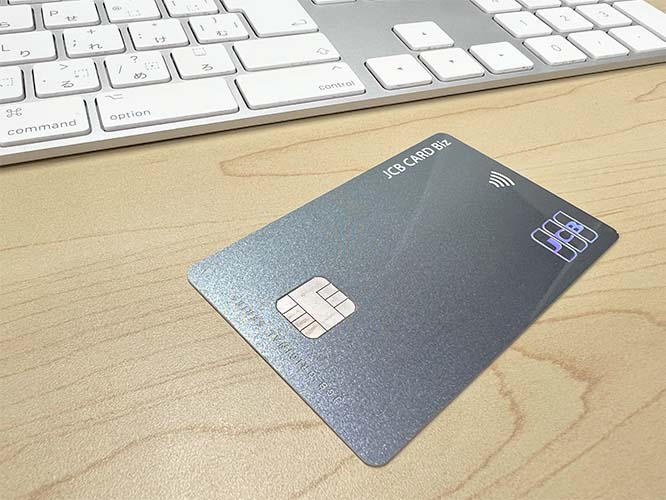
JCBカードBizは、法人向けカードでありながら、個人カードに近い感覚で、申し込みや利用ができるのが特徴。
発行の際に法人関連の確認書類が不要で、簡単かつスムーズにカードを発行可能。
年会費は初年度無料で、翌年以降も1,500円以下と手軽な金額です。
会計ソフトを割引料金で利用できる特典もあり、これから事業をスタートさせる経営者の方や、フリーランスとして活動を始めた個人事業主の人にもおすすめです。
JCBカードBizは会社員のうちから発行でき、開業後もそのまま使い続けられる法人カード。
あらかじめ作っておけば、開業準備に使った経費の計算も楽になります。
セゾンプラチナ・ビジネス・アメックスはコスパ最強で嬉しい特典サービスが充実
向いている人は?
- 経費管理と業務の効率化を考えている人
- マイルをお得に貯めたい人
- 貯めたポイントで経費削減したい人
| 公式サイト | https://www.saisoncard.co.jp/amextop/sbs-pro/ |
| 年会費 | 初年度年会費無料 22,000円(税込)※ |
| 申し込み条件 | 個人事業主・経営者をはじめ、安定した収入があり、社会的信用を有するご連絡可能な方(学生、未成年を除く) |
| ポイント還元率 | 1.125%〜 |
※ 年間200万円以上の利用で翌年度の年会費を11,000円(税込)に優遇
| 国際ブランド | |
| 電子マネー | |
| スマホ決済 | |
- JALマイルの還元率が最大1.125%
- 高スペックのカードにも関わらず年会費がリーズナブル
- プライオリティ・パスが無料で登録可能
コスパ最強!年会費11,000円でプレミアムサービスが充実しているプラチナカード
セゾンプラチナ・ビジネス・アメリカン・エキスプレスカードは、年間200万円の利用があれば年会費が11,000円になるコスパ最強のプラチナカードです。
本来プラチナカードの年会費は5万円以上のものが多く、持っているだけでお金がかかってしまいます。
そのため、プラチナカードを持つことを諦めてしまう人も少なくありません。
しかしセゾンプラチナ・ビジネス・アメリカン・エキスプレスカードなら条件を達成できれば年会費が11,000円になります。
個人事業主や中小企業の経営者でカードの維持費が気になる人にはおすすめのプラチナカードです。
セゾンプラチナ・ビジネス・アメリカン・エキスプレスカードは上質な時間を堪能できる特典が充実
セゾンプラチナ・ビジネス・アメリカン・エキスプレスカードは、会員限定の特典が充実しています。
付帯している主な会員限定の特典は、こちらです。
| 特典 | サービス内容 |
|---|---|
| コンシェルジュ | 会員専用のコールセンター(24時間年中無休) ※カード関連の問い合わせのみ9時〜21時(年中無休) |
| セゾンマイルクラブ | 「SAISON MILE CLUB」に登録すると、ショッピングポイントを自動でJALマイルに移行 |
| オントレ entrée | 一流ホテルやスパ、ダイニングなどで上質な時間を過ごせる特典 例)ホテルのレイトチェックアウト、料金優待など |
| プライオリティパス | ほぼすべての空港のラウンジでドリンクや新聞、インターネットの無料サービス |
| Tablet®️ Hotels | 加盟ホテルのVIPアップグレードや優待特典が無料 ※通常年会費9,900円(税込) |
| セゾンプレミアムゴルフサービス | 会員限定の名門コースでプレーしたり、プロを招いたイベントなどを年会費11,000円(税込)で利用 ※通常年会費26,400円(税込) |
接待で一流レストランを利用する人や、出張が多く空港ラウンジで快適に過ごしたい人には嬉しい特典ばかりです。
たまには接待だけでなく、仕事の疲れを癒すために利用すると気分転換になるため、仕事とプライベートのメリハリが欲しい人にも向いています。
UPSIDERカードは限度額が1億円以上!限度額を気にせず利用できる
向いている人は?
- 限度額を気にせず資金繰りをしたい経営者
- すぐにでも法人カードを発行したい人
- カード利用状況をリアルタイムで確認したい人
| 公式サイト | https://up-sider.com/lp/ |
| 年会費 | 無料※ リアルカード 月額1,500円/枚 バーチャルカード 月額1,000円/枚 |
| 申し込み条件 | ー |
| ポイント還元率 | 1.0%〜 |
※2ヶ月目以降も会社単位で月5万円以上の利用で無料
| 国際ブランド | |
| 電子マネー | ー |
| スマホ決済 | |
- 全カード利用状況をリアルタイムでチェックできる
- キャッシュフロー・限度額を月単位で変更できる
- 外貨決済の手数料が無料による最大4%還元
限度額は1億円以上!事業に打ち込める法人カード
UPSIDERカードは、限度額を気にせずに利用できる法人カードです。
最短当日発行で数億円の限度額を設定できる、成長企業におすすめ。
バーチャルカードは申し込みから利用開始まで最短20分、リアルカードは最短1営業日で手元に届く早さです。
追加カードの発行枚数制限はなく、会計ソフトと連携できるので利用明細をリアルタイムで確認できます。
利用金額は後払い、または前払いを柔軟に選択できるので、毎月支払いの調整が可能です。
不正利用が発覚した場合には、最大2,000万円の補償を受けられます。
カードの支払期限を最大60日延長できる
UPSIDERカードは『支払い.com』と提携しているため、書類提出や審査なしに最短60秒でキャッシュフローを最大60日延長できます。
UPSIDERカードは通常月末締め翌月15日払いですが、『支払い.com』を利用すると最大月末締め3ヶ月後の15日払いにできます。
※ 1ヶ月を30日として計算した場合
『支払い.com』とは、銀行振込を含めたBtoB決済をカード払いにできる決済サービスのこと。
支払期限の延期手数料は、業界の中でも低い一律4%です。
限度額の制限や、支払い業務に負担を感じていた法人におすすめのビジネスカードです。
オリコ EX Gold for Bizは年会費が安く維持コストを抑えられる
向いている人は?
- 費用を抑えてステータスカードを持ちたい人
- 社員にもカードを使わせる予定の経営者
- 法人カードの維持コストを抑えたい人
| 公式サイト | https://www.orico.co.jp/business/creditcard/exgoldforbiz_m/ |
| 年会費 | 2,200円(税込) 初年度無料 2枚目以降無料 |
| 申し込み条件 | 法人代表者 |
| ポイント還元率 | 0.5% |
※ ポイントの交換先によって、還元率が異なります。
| 国際ブランド | |
| 電子マネー | |
| スマホ決済 | |
- ゴールドカードなのに年会費が2,200円で安い
- 会計ソフト『freee』の有料プランが割引料金で使える
- ビジネスオファーやビジネスローンが利用可能
ゴールドなのに年会費無料!コスパ最強の法人カード
オリコ EX Gold for Bizは、年会費わずか2,200円という安さでゴールドカードが利用できるコスパの高さが特徴。
クラウド会計ソフト「freee」を割引料金で利用でき、ビジネスローンやビジネスオファーにも対応。
経費の計算から資金の準備まで、ビジネスを手助けするサービスが揃っています。
年会費が安いのにもかかわらず、空港ラウンジや旅行傷害保険といったゴールドカードならではの機能を搭載。
宿泊施設などの優待が受けられる『ベネフィット・ステーション』といった、嬉しいサービスもあります。
コスパ良く、充実したゴールドカードのサービスを受けたい人に、向いている法人カードです。
楽天ビジネスカードはポイントを還元率を重視したい人向け
向いている人は?
- 法人カードでもポイント還元率を重視したい人
- すでに個人用で楽天カードを使っている人
- 楽天市場で業務に必要なものを購入できる人
| 公式サイト | https://www.rakuten-card.co.jp/service/business-card/ |
| 年会費 | 2,200円(税込) |
| 申し込み条件 | 法人または個人事業主 満20歳以上 |
| ポイント還元率 | 1% |
※ ポイントの交換先によって、還元率が異なります。
| 国際ブランド | |
| 電子マネー | |
| スマホ決済 | |
- 基本還元率が1.0%でポイントが貯まりやすい
- 空港ラウンジが使えるプライオリティパスを発行できる
- ETCカードの複数枚発行に対応している
楽天市場でのポイントが最大5倍!ポイント制度が充実の法人カード
楽天ビジネスカードは、個人向けの『楽天プレミアムカード』を持っている人が発行できる、法人向けカードです。
基本ポイント還元率は1.0%と、楽天カードらしいポイントの貯まりやすさが魅力。
楽天市場での買い物はさらに、ポイント還元率が最大5%へアップします。
ETCカードを複数枚発行できるので、営業で移動が多い従業員を雇う経営者にもおすすめです。
『VISAビジネスオファー』のサービスでは、接待や出張、取引先への贈り物などでお得な優待が受けられます。
プライオリティパスで世界中の空港ラウンジを利用できる
楽天プレミアムカードでは、『プライオリティ・パス』を合わせて発行できるのもメリット。
プライオリティ・パスは国内外の空港ラウンジを利用できる会員制サービス。
単体で発行すると5万円ほどの年会費が発生しますが、楽天プレミアムカードの特典として無料で発行できます。
法人・ビジネスカードの選び方!発行前に知っておきたい項目をチェック
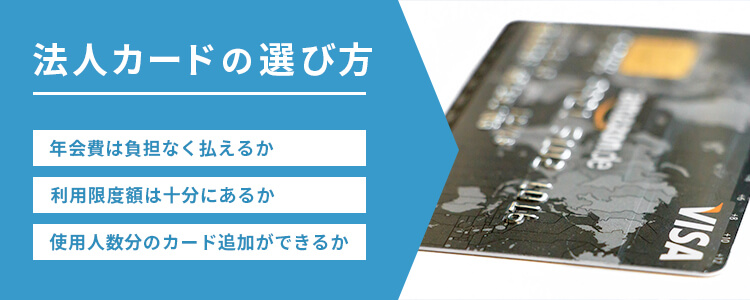
法人カードを選ぶときのポイントについて解説していきます。
法人・ビジネスカードを発行する際に見ておきたいポイントは、主に以下の3つ。
- 年会費は負担なく支払いできる金額か
- 利用限度額はビジネスで使う分を払える金額か
- 使う予定の利用人数を満たしているか
これらのポイントに注目して、自分の事業にぴったりの法人カードを選んでみましょう。
法人カードの年会費は負担なく支払い続けられる金額か
法人カードの年会費は、無料で使えるものから数十万円のものまで、幅広くあります。
個人カードと違って、法人カードの年会費は経費として計上できます。
経費として計上できるとしても、まずは自分の財布から支払わないといけません。
特に事業を始めたばかりで、1円でもかかるコストを抑えたい人は、年会費無料や1,000円前後の法人カードがおすすめ。
少しでも自己負担の出費を減らして事業をしたい人は、負担なく利用できる法人カードを選んでみましょう。
利用限度額はビジネスで利用する分を払える金額か
法人カードを発行する際には、利用限度額が十分かもチェックしてみましょう。
事業決済で使う金額より少ない利用限度額の場合、業務が滞ってしまう可能性もあります。
| グレード | 利用限度額 | おすすめの人 |
|---|---|---|
| 一般カード | 10~100万円 | フリーランスのエンジニア、Webデザイナーなど |
| ゴールドカード | 50~300万円 | 出張や接待のある小売業、物販、Webサービスなど |
| プラチナカード | 150~500万円 | 出張や接待のある小売業、物販、Webサービスなど |
ゴールドカードなどのステータス性が高い法人カードを選ぶと、最初から利用限度額が高く設定されます。
クラウドソーシングを使って作業を委託する際に、法人カードの限度額が十分にあると、支払い周りの処理をスムーズに行えます。
プラチナカードの場合、いきなり高い限度額の支払いができるか判断が難しいため、新規発行が難しいです。
ゴールドカードで実績を積んでから、プラチナカードに入会しましょう。
使う予定の利用人数を満たして追加カードを発行できるか
中小企業経営者の人は従業員に法人カードを持たせて、経費管理をスムーズにするケースもあります。
経理管理をスムーズにしたい場合は追加カードの発行可能枚数が、利用人数を満たしているかを確認しましょう。
複数枚発行できる法人カード
| 法人カード名 | 追加カード |
|---|---|
| JCB法人カード | ◯ 年会費:無料 複数枚発行可能 ※1枚目のカードが年会費無料の場合は、追加のカードも無料となります。 |
| 三井住友カード ビジネスオーナーズ | ◯ 年会費:永年無料 ※19枚まで発行可能 |
| 三井住友カード ビジネスオーナーズ ゴールド | ◯ 年会費:永年無料 ※19枚まで発行可能 |
| ダイナースクラブ ビジネスカード | ◯ 年会費:無料 複数枚発行可能(18歳以上) |
| セゾンコバルト・ビジネス・アメリカン・エキスプレス・カード | ◯ 年会費:無料 複数枚発行可能 |
| ラグジュアリーカードMastercard Black Card | ◯ 年会費:27,500円(税込) 複数枚発行可能 |
| セゾンプラチナ・ビジネス・アメリカン・エキスプレスカード | ◯ 年会費:永年無料 ※19枚まで発行可能 |
| オリコ EX Gold for Biz | ◯ 年会費:無料 複数枚発行可能 |
発行枚数だけでなく、年会費がどのくらいになるのかも要チェック。
ラグジュアリーカードやセゾンプラチナ・ビジネス・アメックスのように、2枚目以降の追加カードは年会費が有料になるパターンもあります。
法人向けカードには2種類のタイプがある!ビジネスカードとコーポレートカードの違い
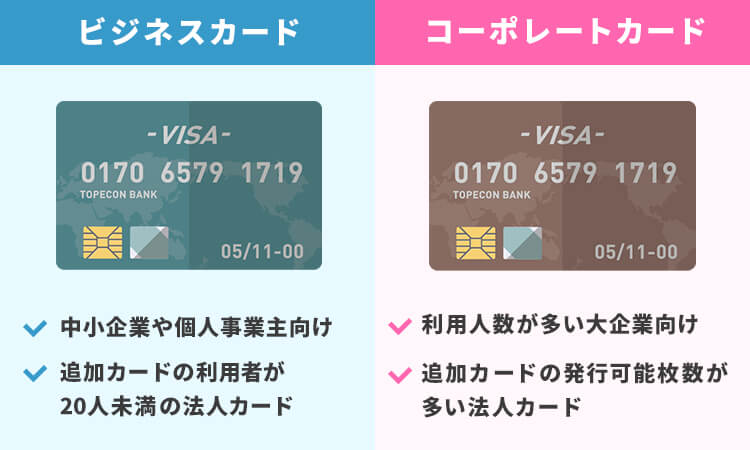
法人カードは主に、ビジネスカードとコーポレートカードの2種類のタイプに分けられます。
| 向いている企業規模 | 利用限度額 | 追加カードの利用者 | |
|---|---|---|---|
| ビジネスカード | フリーランス 個人事業主 中小企業 |
低い | 20人未満 |
| コーポレートカード | 大企業 | 高い | 20人以上 |
ほとんどの人が法人向けカードとして発行するのは、ビジネスカードの方です。
ビジネスカードとコーポレートカードのそれぞれの特徴について、詳しく解説していきます。
ビジネスカードは企業から個人事業主まで手軽に発行できる
ビジネスカードはフリーランスや個人事業主、中小企業での利用を対象とした、個人でも発行ができる法人カードです。
会社の部署単位で法人カードを利用したい場合にも向いています。
利用限度額はコーポレートカードより低めですが、最大500万円程度まで設定できます。
コーポレートカードは20名以上の大企業向きで精算がスムーズ
コーポレートカードは、従業員の多い大企業での利用を対象とした法人カードです。
20名以上の従業員に、追加で法人カードを導入したい法人に向いています。
ビジネスカードに比べて大人数での利用を想定しているため、精算システムとの連携がスムーズです。
- 各カードごとに利用限度額を設定できる
- 経費計算システムへカード利用明細を連携
- 各カード利用明細のレポート送信機能
- 各カードへ会社名を印字
事業の立ち上げ時や、初めて法人カードを発行する個人事業主は『ビジネスカード』を選択しましょう。
法人カードと個人カードの違いは?審査基準と引き落とし口座に注目
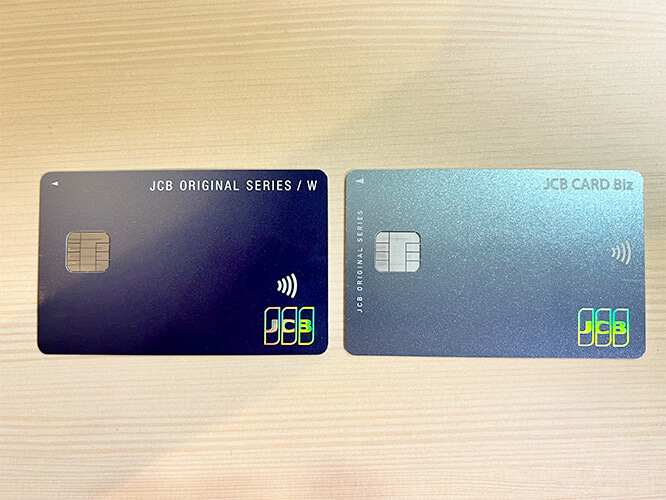
法人カードと個人カードの違いについて、解説していきます。
法人向けに発行されるビジネスカードと、個人向けに発行されるプライベードカードの違いには、主にこちらがあります。
- 審査基準は法人と個人のどちらの信用情報も重要
- 引き落とし口座に法人名義しか指定できないカードもある
- 法人カードは分割払い・キャッシング枠の取り扱いが少ない
最も大きな違いは、審査基準に個人だけでなく、法人として会社や事業が問題ないかも見られることでしょう。
審査基準は法人と個人のどちらの信用情報も重要になる
法人カードを発行する際の審査では、『信用情報』と呼ばれるデータが審査基準のひとつ。
法人と個人の両方での、申込者の信用情報が審査基準の対象です。
法人カードの場合は個人のクレヒスだけでなく、法人としてのビジネス状況も審査の対象になるケースがあります。
個人与信と法人与信の違いは審査内容と必要書類にある
代表者個人を審査対象にする場合は「個人与信」、会社つまり法人を審査対象にする場合は「法人与信」です。
審査対象が個人または法人の違いによって、必要書類も異なります。
| 審査対象 | 審査内容 | 必要書類 | |
|---|---|---|---|
| 個人与信 | 法人代表者 個人事業主 |
代表者の 信用情報 |
代表者の 本人確認書類 |
| 法人与信 | 法人 | 企業の経営状況や資本金 設立年数 |
法人の確認書類 |
法人与信で黒字経営であるのが望ましいですが、クレヒスに傷がないかどうかの方が審査では重視されます。
また会社が設立してから3年以上経っていると、審査に通りやすい傾向があります。
引き落とし口座に法人名義しか指定できない法人カードもある
法人カードの引き落とし口座には、法人名義の銀行口座しか指定できないケースがあります。
ただし発行会社や法人カードの種類によっては、法人口座と個人口座どちらを選んでも発行できるタイプもあります。
特に法人を持っていない個人事業主の人は、法人用口座を開設できません。
個人カードと違い法人カードは分割払い・キャッシング枠の取り扱いが少ない
個人カードの場合はキャッシング枠が付帯しており、ATMなどを使って現金を借りられます。
法人カードやビジネスカードでは、キャッシングを利用できるカードはあまりありません。
キャッシングできるカードだったとしても、利用できるのは法人代表者ではなく、個人事業主に限られるケースがほとんどです。
分割払い・キャッシングが利用できる法人カード
| 法人カード名 | 分割払い (リボ払い) |
キャッシング |
|---|---|---|
| 三井住友カード ビジネスオーナーズ |
〇 | 〇 |
| 三井住友カード ビジネスオーナーズ ゴールド |
〇 | 〇 |
| NTTファイナンスBizカード レギュラー |
〇 | 〇※ |
| ダイナースクラブ ビジネスカード |
〇 | 〇 |
| セゾンコバルト・ ビジネス・アメリカン・ エキスプレス・カード |
〇 | 〇 |
| オリコ EX Gold for Biz | 〇 | 〇 |
| ラグジュアリーカード Mastercard Black Card |
〇 | 〇 |
| セゾンプラチナ・ ビジネス・アメリカン・ エキスプレスカード |
〇 | 〇 |
※海外キャッシングのみ
法人カードを申し込む際にキャッシング枠を設定すると、審査が厳しくなります。
ビジネスでの利用を想定しているため、事業用ローンとして法人カードのキャッシングを利用されるリスクがあるためです。
法人カードを使って現金を用意して、事業の運転資金にするといった使い方はできません。
個人カードでも、事業資金としての利用は規約違反となるカードもあるため、注意しましょう。
通常カードと別で法人カードを持つメリット!どんな場面で役に立つ?
法人カードを利用するメリットとしては、主にこちらが挙げられます。
- ビジネスに役立つサービスを受けられる
- 会計処理や経費の計算が簡単になる
- 経費や出張での支払いでポイントを貯められる
- 支払いのタイミングを先延ばしにできる
- 会食や接待の場面でステータス性を発揮できる
- ETCカードを複数発行できる法人カードもある
日本クレジット協会の調査によると、法人カードの発行枚数は年間1,000万枚以上を突破しています。
今後もキャッシュレス決済やネット決済の需要が高まり、法人カードを利用する人が増えるでしょう。
法人カードならではのメリットについて理解して、より上手く使いこなしていきましょう。
法人カードはビジネスシーンで役立つサービスや優待が揃っている
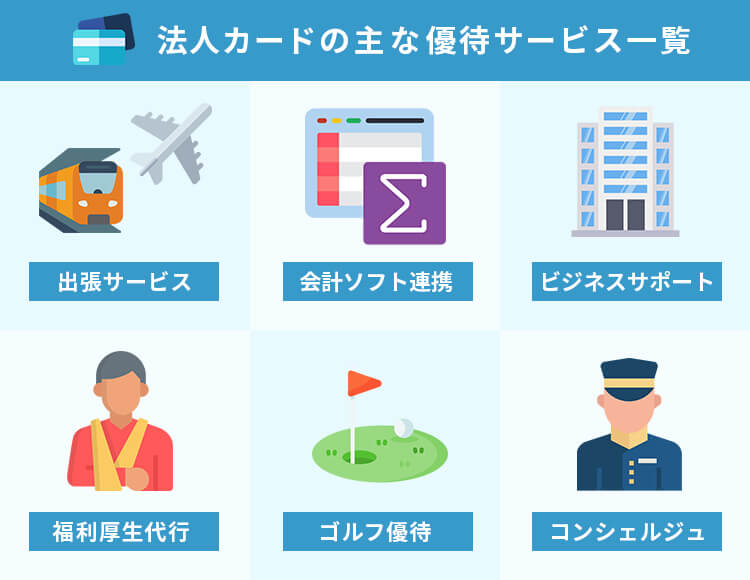
法人カードやビジネスカードはビジネスシーンでの利用者をターゲットに、発行されています。
個人で使うカードにはない、仕事に役立つサービスやツールが豊富に揃っているのがメリットです。
ここからは法人カードによく付帯されるサービスについて、それぞれ紹介していきます。
移動が多い人向け!法人カードの出張サービスの利用で移動を快適に
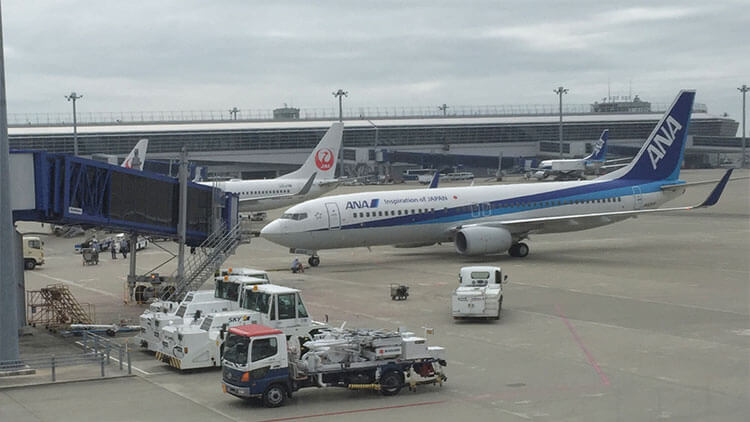
法人カード・ビジネスカードによく付帯されるのが、飛行機や新幹線での移動を快適にするサービス。
他にも車移動が多い人に向けたサービスも展開されています。
| 向いている人 | サービス詳細 |
|---|---|
| 車移動が多い人向け | ・年会費無料のETCカード ・レンタカーサービス ・パーキングサービス |
| 新幹線移動が多い人向け | ・新幹線チケットのネット予約 |
| 飛行機移動が多い人向け | ・空港ラウンジの無料利用 ・空港と自宅での手荷物宅配サービス ・専用デスクでの航空券手配サービス |
出張や取引先への訪問などに車が必要な仕事の人は、ETCカードを複数発行できる法人カードが役立ちます。
現金での支払いよりも高速料金が安くなるため、経費の削減が可能。
仕事内容や用途に合わせて、カードに付帯されている出張サービスを選びましょう。
会計処理や経費の計算が簡単だから業務に集中できる
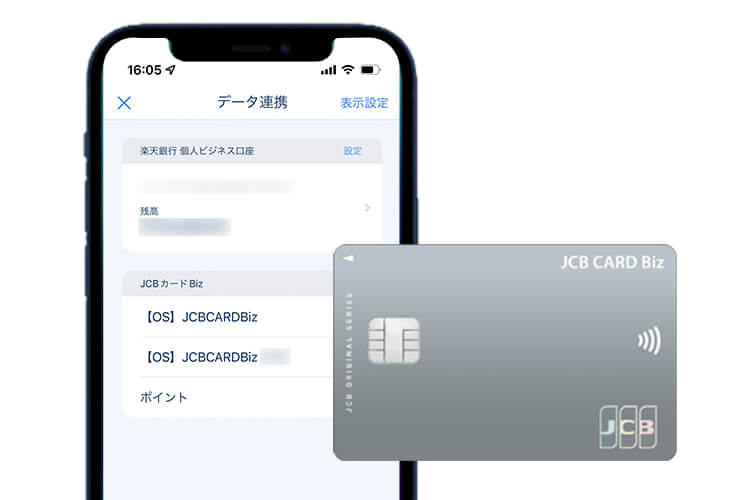
法人カードを利用すると、事業用の決済をカード1枚にまとめられます。
個人用と法人用のカードが一緒だと、どれがプライベートの利用分でどれが経費で払った分なのか、わからなくなってしまいます。
法人用にカードがあれば利用明細を通じて、いつ何を何円分購入したのかをいつでもチェックできるため、会計処理や経費の計算を効率化。
紙の領収書を手打ちで入力するよりも圧倒的にスムーズですし、法人カードによっては会計ソフトと連携させて自動的に経費処理を進められます。
経費の計算などにかける時間を効率化できれば、他の仕事にあてられる時間も増えます。
法人カードによって集計の業務が効率化されて、より自身がやるべき仕事に専念できます。
ビジネスをサポートするツールの優待や割引がある
法人カードには、ビジネスシーンでよく使われるサービスで、優待や割引が用意されています。
中でもレンタルサーバー『エックスサーバー』や、会計ソフトの『弥生』『freee』は、多くの法人カードで優待の対象となっています。
会社をまだ立ち上げたばかりの場合、少しでも経費を抑えたい経営者は多いはず。
法人カードを持っておけば、事業に使うサービスで節約ができます。
法人カードの福利厚生サービスで休日のひとときも充実させられる

法人カードやビジネスカードの中には、福利厚生代行のサービスが付いているカードもあります。
福利厚生サービスが付いているのは主に、三井住友カードもしくはアメリカン・エキスプレスが発行会社の法人カード。
| 福利厚生サービス | 対象カード |
|---|---|
| Benefit Station | ・三井住友カード ビジネスオーナーズ ・三井住友カード ビジネスオーナーズ ゴールド |
| Club Off | ・アメリカン・エキスプレス・ビジネス・カード ・アメリカン・エキスプレス・ビジネス・ゴールド・カード |
福利厚生サービスでは、全国のホテルやレジャー施設、リラクゼーションサロンといった幅広い店舗で、割引を受けられます。
法人カードを持っていれば、業務のサポートだけでなく、休日のお出かけ先でもメリットがあります。
ゴルフの優待サービスでゴルフ場の優待を受けられる
法人カードには、ゴルフ関連のサービスが充実しているカードも多くあります。
普段は行けない名門コースでのプレイや、対象のゴルフ場を割引価格で楽しめるカードもあります。
例えば『JCBゴールド』では、ゴルフに関する3つのサービスを受けられます。
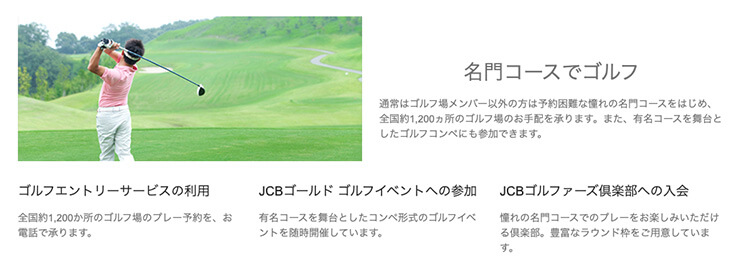
- 全国1,200箇所のゴルフ場を電話予約
- 名門コースでのゴルフイベントへの参加
- 『JCBゴルファーズ倶楽部』への参加
利用できるゴルフ場の一例を確認すると、都心から地方まで全国のゴルフ場に対応しているのがわかります。
- 桜ヶ丘カントリークラブ(東京)
- 東京よみうりカントリークラブ(東京)
- カレドニアン・ゴルフクラブ(千葉)
- 葵カントリークラブ(愛知)
- 芦屋カンツリー倶楽部(兵庫)
- 枚方カントリー倶楽部(大阪)
- 奈良国際ゴルフ倶楽部(なら)
など
ゴルフ場の予約サービスがある法人カードを選べば、接待で利用するゴルフ場が見つからず、手間取る心配もありません。
コンシェルジュサービスへの依頼で時間を無駄にしない
法人カードの中でも、プラチナカードといった最高ランクのカードになると、コンシェルジュサービスが付帯しています。
コンシェルジュはレストランの手配や、航空券の手配など、用途を問わずに様々な要望に対応。
電話1本でコンシェルジュへ連絡でき、忙しいタイミングでも自分の代わりとなって動いてくれます。
例えば『ラグジュアリーカード』では、電話・メール・ライブチャットからコンシェルジュに依頼できます。
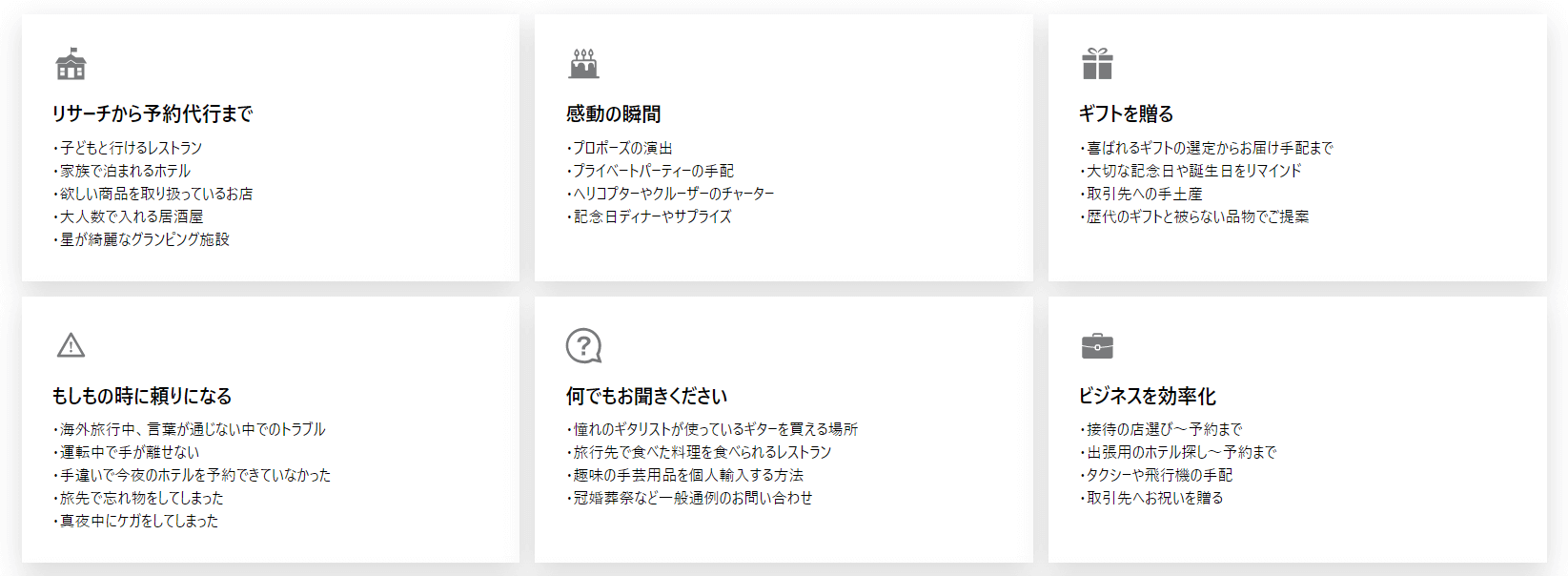
- レストラン・ホテルのリサーチから予約まで
- パーティー・サプライズなどの演出
- 手土産・プレゼントの選定からお届け手配まで
- もしものトラブルに対応
- 様々な代行リサーチ
- ビジネスに関する予約や手配
コンシェルジュが依頼内容をもとに、リサーチから手配まで代行してくれます。
レストランの予約では、シチュエーションや予算、食物アレルギーなどの要望を事前に伝えておくと、対応がスムーズです。
自分の時間を、1分1秒でも無駄にしたくない経営者の人に向いています。
経費や出張など仕事での支払いでポイントが貯める
法人カードを使うと、普段の仕事で支払いをする場面でポイントを貯められます。
事業費の決済や、出張で利用した交通費や宿泊費の支払いなどで、現金払いだともらえなかったポイントが付きます。
ビジネス上で利用する費用は高額になりやすいので、その分より多くのポイントを獲得できます。
パソコンを使って仕事をする人は、貯めたポイントで新しいディスプレイを買うなどで、仕事にも役立てられます。
※ ポイント還元率が1.0%の場合
支払いのタイミングを先延ばしにしてキャッシュフローを改善できる
法人カードで支払いした金額は、翌月以降に口座から引き落としされます。
現金だと支払い後すぐに手元から資金がなくなりますが、法人カードがあれば支払いまでにゆとりを持たせられます。
キャッシュフローは余裕を持って57日前後の法人カードがおすすめ。
1ヶ月を31日として、月末締め翌月26日払いだと57日になる計算です。
法人カードを発行する前に、支払いのキャッシュフローをチェックしましょう。
キャッシュフローが長い法人カード
| 法人カード名 | キャッシュフロー(日数) |
|---|---|
| JCB法人カード | 月末締め翌々月10日払い(72日) |
| 三井住友カード ビジネスオーナーズ | 月末締め翌月26日払い(57日)※1 |
| 三井住友カード ビジネスオーナーズ ゴールド | 月末締め翌月26日払い(57日)※1 |
| NTTファイナンスBizカード レギュラー | 月末締め翌月25日払い(56日) |
| オリコ EX Gold for Biz | 月末締め翌々月27日払い(89日) |
| 楽天ビジネスカード | 月末締め翌々月27日払い(89日) |
※ キャッシュフロー日数は、1ヶ月31日と仮定して計算しています。
※1 15日締め翌月10日払いも選択可
会食や接待の場面でステータス性を発揮できる
ゴールドなどのステータス性のある法人カードには、レストランで利用できる優待特典が豊富に揃っています。
高級レストランの予約も対応でき、会食や接待の場面でも役立ちます。
あえて年会費が負担になるレベルの法人カードを発行して、自分のモチベーションを上げるといった使い方もあります。
ETCカードや追加カードを複数枚導入して経費をWebで一括管理
ETCカードや追加カードを複数枚発行して従業員が利用すれば、経費の建て替え払いは必要ありません。
法人カード利用の代わりに経費の建て替え払いがなくなると、支払い状況がWeb上で一括管理できます。
また法人カードに付帯されている優待サービスを利用すれば、別途かかる福利厚生サービスの導入コストの削減も可能。
スポーツクラブの利用や人間ドックといった優待があると、従業員のモチベーションアップにもなります。
法人カードのデメリットは?発行前の注意点について
法人カードにはメリットだけでなく、個人用カードにはないデメリットもあります。
メリットとデメリットの両方を把握しておけば、より便利に法人カードを活用しましょう。
法人カードは個人向けカードよりもポイント還元率が低い
ポイント還元率で比較すると、法人カードは個人向けのカードよりも低めの設定となっています。
個人カードだと基本還元率が1.0%以上のカードも豊富に揃っていますが、法人カードだと還元率0.5%ほどが多いです。
法人カードは、ポイントを貯めるためのカードではないので仕方ない部分もあります。
ポイントもしっかりと貯めたい場合には楽天ビジネスカードなど、ポイント還元に優れた法人カードを選んでみてください。
『NTTファイナンスBizカード レギュラー』と『楽天ビジネスカード』はポイント還元率が1.0%と高い法人カードです。
『ラグジュアリーカードMastercard Black Card』であれば、基本還元率が1.25%あります。
年会費無料で発行できる法人カードは少ない
法人カードの年会費は、基本的に有料の場合がほとんどです。
初年度のみ年会費無料の法人カードはありますが、継続的に年会費が無料になる法人カードは少ないです。
維持コストが気になる方は、年会費の安い法人カードを選んでみましょう。
法人カードの発行についてのよくある質問に回答
- 法人カードはどうやって作ればいいですか?
-
法人カードは、通常のカードと同じように、公式サイトの申し込みフォームから入会できます。
法人カードを発行するまでの、大まかな流れはこちらのようになっています。
- 公式サイトの申込フォームへ必要事項を入力
- 支払い用口座を指定して申し込み
- 入会審査を受ける
- 審査結果を確認
- 郵送などで法人カードを受け取る
申し込みの際には、引き落とし口座へ法人名義の口座が必要かどうかを確認してください。
個人用口座に対応している法人カードであれば、フリーランスの人でも発行できます。
本人確認書類については、代表者の本人確認書類だけでなく、法人の本人確認書類の提出を求められる法人カードもあります。
法人の本人確認書類としては「登記簿謄本」などが該当するので、事前に用意しておきましょう。
- 中小企業だけどコーポレートカードは発行できますか?
-
コーポレートカードは大企業向けですが、従業員が20人以上いる企業であれば発行できます。
他にもビジネスカードがあり、従業員が20人未満の企業またはフリーランスといった個人事業主向けの法人カードです。
コーポレートカードの方が利用限度額を高く設定できるので、審査が厳しくなる傾向があります。
- 会社を設立して間もないですが、法人カードの審査に通りますか?
-
個人のクレヒスも審査で見られるので、一概に否定はできません。
法人カードの採用基準は、個人と法人両方の信用情報が必要です。
会社を設立して3年以上、カード支払いの遅延がないと、審査に通りやすい傾向があります。
- 海外出張の際に法人カードのキャッシングを利用したい
-
キャッシングができる法人カードを所有している場合は、利用できます。
事業用ローンとして法人カードのキャッシングを利用されるリスクがあるため、キャッシングができるカードは多くありません。
国内のキャッシングにしか対応していない法人カードもあるので、申し込み時に規約を確認しましょう。